Landscape Maintenance Methods for Cleaner, Safer Walkways
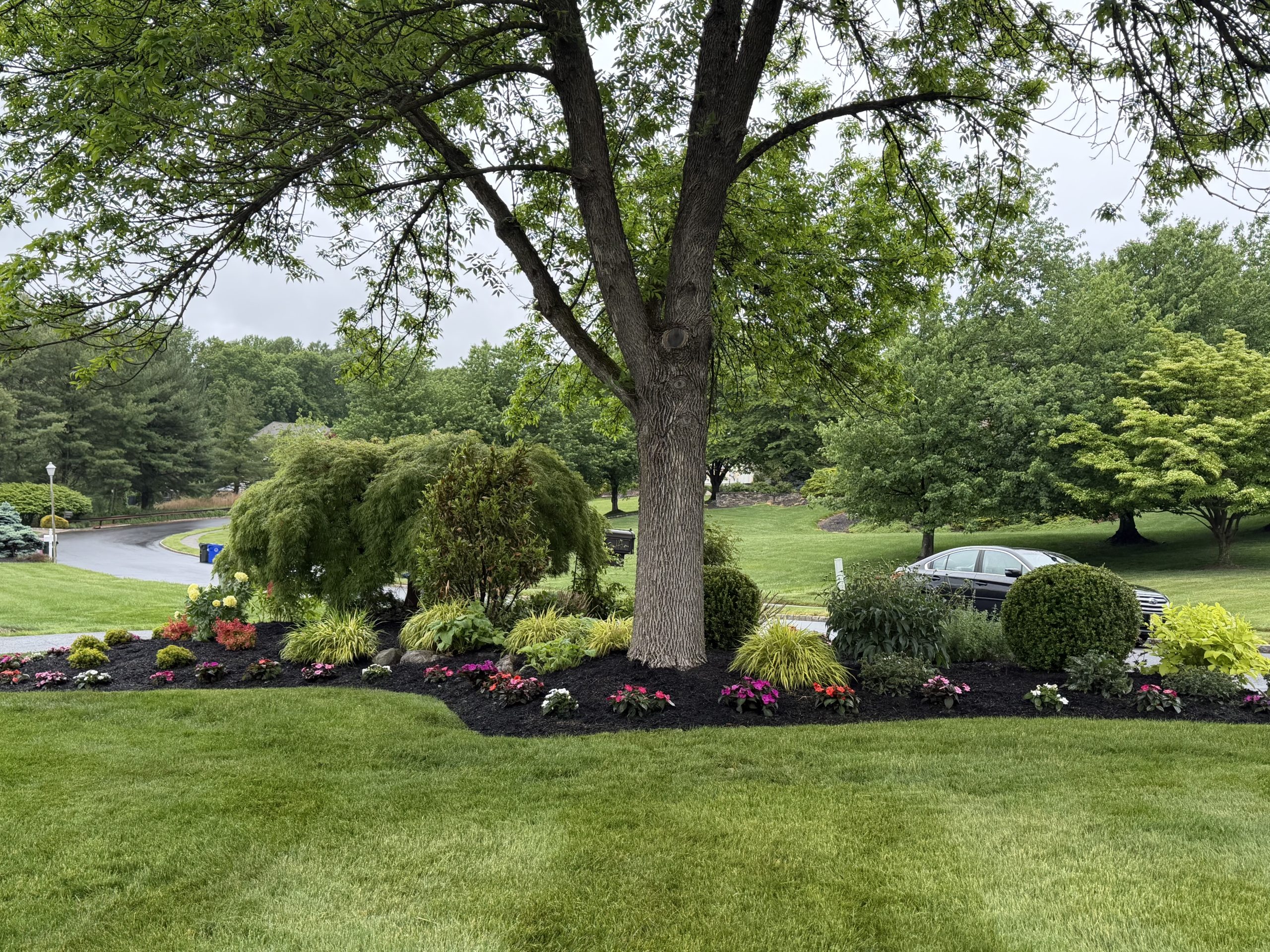
Walkways are easy to ignore until they become a problem. A path that looked tidy in spring can turn slick with algae by midsummer, heaved by roots in fall, and edged with muddy runoff by winter. People notice the flowers, the lawn, the front entry, but they feel the walkway with every step. If the surface is dirty, uneven, or crowded by overgrowth, the entire property feels less cared for. More important, the risk of slips, trips, and water damage rises fast.
That is why good Landscape Maintenance is not just about appearance. It is operational. It protects hardscape investment, reduces liability, and makes a site easier to use in all weather. On residential properties, that means fewer accidents near front doors, driveways, and garden paths. On commercial sites, schools, multifamily communities, and medical campuses, it often means the difference between a welcoming property and one that creates daily complaints.
The best walkway maintenance plans are rarely flashy. They are built on steady observation, timely cleaning, disciplined pruning, drainage control, and small repairs handled before they become expensive ones. In practice, cleaner and safer walkways come from details that are easy to miss from a distance, a sprinkler head aimed two degrees too high, a hedge that slowly narrows the walking width, or a low spot where leaf litter traps moisture week after week.
Start with how people actually use the path
A walkway should be judged by use, not by design drawings. On paper, a path may look wide enough, properly sloped, and attractively framed by plants. In daily use, the picture changes. Delivery drivers cut corners. Children run. Residents drag bins across the edge. Shaded sections stay damp longer than expected. A path near irrigation zones gets wet at the wrong time of day. If you manage a property, walking the route after rain tells you more than any site map.
I learned this early on while helping maintain a mixed-use property with decorative pavers along a retail corridor. The owner kept asking for pressure washing because the walkway always looked dingy. The surface was not the real problem. Two ornamental grasses had matured and were flopping into the travel lane, trapping litter and slowing drying time after irrigation. The pavers were cleaned repeatedly, but the issue returned until the planting was thinned, irrigation was adjusted, and the low airflow pocket was opened up. The path stayed cleaner for months after that.
That pattern repeats everywhere. Dirty walkways often reflect moisture management, plant selection, or traffic flow more than a cleaning failure. Safer walkways do too. A maintenance crew can sweep daily, but if a path stays shaded and wet under dense shrubs, the slick film comes back. If roots are lifting one edge of a slab, debris collects there, people stop looking down, and one small lip becomes a serious trip hazard.
Surface cleaning is only effective when it matches the material
Not all walkway surfaces tolerate the same treatment. Concrete, clay brick, natural stone, asphalt, resin-bound aggregate, and interlocking pavers each collect dirt differently and respond differently to pressure, detergents, and stiff brushing. The mistake I see most often is overcleaning with too much pressure. It gets quick visual results but can etch softer materials, strip joint sand from pavers, widen tiny surface cracks, and make the walkway age faster.
Concrete can handle routine washing, but it benefits from moderation. A fan-tip rinse and a surface cleaner attachment usually outperform a narrow, aggressive stream that leaves striping. Pavers need even more care. Blow out too much joint material and weeds, ants, and shifting units become the next problem. Natural stone is the trickiest of all because some stones darken, flake, or react poorly to harsh cleaners. What works on dense granite may damage limestone.
Cleaning frequency should be set by conditions, not habit. A sunny front path with good drainage may need little more than weekly blowing and periodic washing. A north-facing side walkway under tree cover may require brushing and treatment far more often because algae and mildew establish quickly in low light. In humid climates, a slick biofilm can form in a matter of days during warm weather. If staff only responds when discoloration becomes visible from the street, the walkway has already been unsafe for a while.
The better approach is to think in layers. Dry debris removal comes first, because leaves, seed pods, mulch, and grit hold moisture against the surface. Spot treatment for moss or algae comes next where needed. Washing follows after the biological growth is dead or loosened, not before. On paver systems, re-sanding joints may be necessary after deeper cleaning. This is slower than blasting everything with water, but it preserves the walkway and extends the interval between major cleanings.
Moisture control does more for safety than almost anything else
Most slippery walkways are moisture problems wearing a dirt disguise. If a path stays wet longer than it should, organic growth and staining follow. That is why drainage and irrigation deserve more attention in any Landscape Maintenance program focused on walkability.
Poor drainage shows up in familiar ways. Water sheets across a path from adjacent turf. Downspouts dump too close to an entry walk. Edging traps runoff instead of letting it disperse. Mulch washes onto the surface after every storm. Grade settles around one corner, creating a shallow basin that never quite dries. None of these issues look dramatic at first, but together they create a path that is chronically dirty and risky.
Irrigation is often the hidden culprit. Heads drift out of alignment. Rotors overspray onto pavement. Schedules run before dawn and leave cool-season shade zones wet through the morning rush. On one HOA property I visited, residents complained about slippery sidewalks all summer long. The crew had been treating algae every two weeks. The real fix took less than an hour, two spray heads were adjusted, a clogged nozzle was replaced, and a cycle was moved later in the morning to improve drying. Chemical treatment dropped sharply after that.
Walkways should dry predictably. If they do not, look beyond the surface. Trace where the water comes from and why it lingers. Sometimes the answer is simple, such as re-aiming irrigation or clearing a buried drain inlet. Sometimes it requires regrading a shoulder, widening a swale, or replacing a compacted planting bed soil that no longer absorbs runoff. These are not glamorous tasks, but they solve the problem at its source.
Plant management around walkways requires restraint, not just trimming
Many walkway hazards come from vegetation that was installed with good intentions and then allowed to outgrow its space. Shrubs encroach. Groundcovers spill over the edge and hide changes in grade. Tree roots disrupt paving. Fallen fruit creates slipping hazards. Thorny plants force pedestrians to walk too close to the opposite edge. Each problem can be managed, but only if planting design and maintenance standards work together.
Pruning should protect the full functional width of the path, not merely keep plants off the centerline. People do not walk as narrowly as designers imagine. They carry bags, hold a child’s hand, use mobility aids, and pass one another. A path can look technically clear while still feeling constricted. That matters because when people step toward the edge to avoid branches or foliage, they are more likely to catch a shoe on a border, gravel spill, or settled paver.
Plant selection matters just as much as pruning. Some species are simply wrong for tight walkway margins. Fast-growing ornamental grasses can soften a border beautifully, but they often collapse onto paths after rain. Surface-rooting trees may create shade and curb appeal while slowly lifting hardscape panels. Berrying shrubs can attract birds, which means staining and dropped fruit exactly where people step. Fragrant flowers can be lovely near entries, but if they shed heavily, they create a constant layer of slick organic matter.
A well-managed planting strip near walkways usually favors predictability. Slow-growing, compact species with noninvasive roots and limited litter tend to outperform dramatic plants that need repeated correction. Where roots are already affecting pavement, it is worth making hard choices early. Grinding, patching, and re-leveling the same area every year often costs more over time than replacing one problematic tree with a better-sited specimen.
Edges matter more than most people think
People tend to focus on the center of the walkway because that is where they walk, but maintenance failures usually begin at the edges. Soil creeps in. Mulch migrates out. Turf overgrows the border. Joint sand erodes. Gravel spills across the path from adjacent beds. Once the edge loses definition, the walkway gets narrower, dirtier, and harder to clean.
A crisp edge does three jobs at once. https://augustpxal592.trexgame.net/affordable-landscape-maintenance-ideas-for-every-budget It helps contain landscape materials, channels water more predictably, and gives crews a clear line for trimming and blowing. Loose, frayed edges do the opposite. They invite runoff, trap debris, and create a ragged transition that never looks fully clean even after service.
This is especially true where paths meet lawn. String trimmers can scar pavers and concrete over time, while unchecked turf stolons and rhizomes creep into joints and cracks. In many cases, periodic mechanical edging and careful herbicide use where appropriate will do more for walkway cleanliness than extra washing. Once turf and weeds establish in seams, the path starts holding fine sediment, and a minor cleanliness issue becomes a surface stability issue.
Mulch depth near walkways also deserves scrutiny. Thick mulch looks freshly maintained for a week, then the first heavy rain sends it onto the path. Finer-textured products travel the most. On sloped beds, stabilizing mulch with proper edging, reducing depth, or switching to a coarser material can cut cleanup time significantly. There is no point in blowing the same shredded bark off a walkway three times a week because the bed beside it was overmulched.
The small defects that turn into injury claims
A walkway does not need a dramatic crack to be unsafe. The biggest trip hazards are often subtle. One paver settles just enough to catch the toe. A concrete panel lifts half an inch after freeze-thaw or root pressure. An expansion joint opens and fills with debris, concealing the depth change. These are maintenance issues before they are construction issues, and the response window matters.
Regular inspection is where experienced crews earn their keep. When a technician notices movement early, the fix may be a localized reset, joint refill, root pruning assessment, or patch. Wait a season and the same defect can spread into surrounding units or slabs. Water enters, base material shifts, and now the repair footprint is much larger.
There is also a human tendency to normalize defects through familiarity. Staff walk the same route every day and stop seeing gradual change. Visitors do not. Elderly pedestrians, children, and anyone pushing a stroller or cart are especially sensitive to surface irregularities. A walkway that seems acceptable to a healthy adult in work boots may be genuinely hazardous to others.
Documentation helps here. Photographs taken from the same angle every few months make settlement and displacement easier to spot. So does a simple threshold for repair. If any vertical displacement becomes visible enough to catch a broom, a blower wheel, or the edge of a shovel during routine work, it deserves attention. That is not a legal rule. It is a practical field standard, and it prevents delay.
Seasonal shifts change the maintenance strategy
Walkway care should change with the calendar because hazards change with the season. Spring tends to reveal winter damage, joint washout, moss growth, and edging failures. Summer magnifies irrigation problems and biological slickness in shade. Fall brings leaves, nuts, and fruit that can turn smooth surfaces treacherous. Winter, in colder climates, adds ice, deicer residue, and freeze-thaw movement.
A property that looks manageable in June can become labor-intensive in October if tree litter is ignored. Wet leaves are not just unsightly. They stain, trap moisture, block drainage points, and form a surprisingly slick layer on stone and concrete. One of the easiest ways to keep a walkway safe is to shorten the response time between leaf drop and removal. Waiting until the weekly visit is often too long during peak fall drop on heavily treed sites.
Winter introduces another trade-off. Deicers improve traction when used correctly, but some products can damage adjacent turf, ornamentals, and hardscape surfaces, especially decorative concrete and some natural stones. Sand adds grip but also clogs joints and drains if overused. The right approach depends on climate, surface type, and expected foot traffic. There is no perfect material. There is only a better fit for the site.
For teams building a yearly routine, these seasonal checkpoints are usually worth scheduling:
- Inspect drainage, edging, and winter surface damage in early spring before growth hides defects.
- Audit irrigation overspray and shade-zone drying times at the start of warm weather.
- Increase debris removal frequency during heavy leaf or fruit drop periods.
- Before freezing weather, repair low spots and confirm that runoff will not cross and refreeze on paths.
- Review deicer choices against surface material and nearby planting sensitivity.
Cleaning tools and crew habits make a visible difference
The quality of walkway maintenance often comes down to how crews work, not just how often they show up. A rushed blower pass can move debris from the center of the path into planting beds, where it will wash back later. An inexperienced pressure washer can etch surfaces in a single afternoon. A mower operator can throw clippings onto a damp sidewalk and leave a mat that stains by the next day.
Good crews develop habits that keep paths cleaner longer. They blow debris fully off the route and away from drainage lines. They trim with awareness of hardscape edges. They avoid piling clippings against curbs and walkways. They notice where water stands after irrigation. They spot the first signs of algae before the whole section turns green. These are small acts, but together they define whether a property feels carefully maintained or merely serviced.
One practical habit I recommend is walking the path in both directions after work is done. The return view catches what the forward pass misses, especially overgrown edges, residual litter caught in plant canopies, and streaking after washing. Another is to inspect at pedestrian eye level occasionally, not just from a mower seat or standing truck-side. Changes in narrowness, sightlines, and branch interference become obvious when you view the path as a user would.
Equipment choice matters too. Surface cleaners on pressure washers tend to deliver more uniform results on flat concrete. Stiff deck brushes can outperform water alone on textured surfaces with algae. Backpack blowers are efficient, but on lightweight gravel paths or near fresh mulch they need restraint. There is no universal best tool. The right setup depends on surface, debris type, and adjacent landscape materials.
When design and maintenance need to be reconciled
Some walkway problems cannot be solved by maintenance alone. A path built in deep shade beside a heavily irrigated wall of plant material will always struggle. A narrow route under messy fruiting trees will always need disproportionate labor. A decorative stone with a naturally uneven cleft may be beautiful, but it can become hazardous at an accessible entry if used without careful context.
This is where professional judgment matters. Maintenance teams should not be expected to overcome flawed design indefinitely through extra labor. Sometimes the honest recommendation is selective redesign. That might mean replacing a high-litter plant palette, widening bed setbacks, adding drainage inlets, regrading shoulders, or resurfacing with a material that offers better slip resistance. Those changes cost more up front, but they often reduce annual maintenance hours and complaints enough to justify the investment.
I have seen simple modifications pay back quickly. Replacing loose decorative gravel at walkway edges with a stabilized border reduced daily cleanup on one apartment property almost immediately. On another site, removing a dense hedge near a shaded entrance improved airflow and drying so much that moss treatment frequency dropped by more than half. Neither change was dramatic from a design standpoint, but both made the walkway easier to keep safe.
A practical standard for owners and managers
If you oversee a site and want a straightforward way to judge whether walkway maintenance is doing its job, think in terms of user experience. A person should be able to walk the route without stepping around debris, brushing through plant material, crossing standing water, or being surprised by a change in level. The path should dry within a reasonable time after irrigation or rain. It should remain fully usable in the hours people actually need it, not only when viewed from the street in dry weather.
That standard sounds obvious, yet many maintenance plans drift toward visual tasks only. Crews mow, blow, and trim on schedule, but no one tracks wet zones, shifting pavers, mulch migration, or repeating algae patterns. Cleaner and safer walkways come from closing that gap. The property has to be maintained as a walking environment, not just a collection of plants and hard surfaces.
For many sites, the highest-value actions are modest. Keep edges defined. Remove debris before it mats down. Correct irrigation overspray quickly. Prune for clearance and drying, not just shape. Address early movement in paving. Watch shaded sections more closely than sunny ones. These steps do not require exotic products or oversized budgets. They require consistency and the willingness to solve causes instead of symptoms.
Landscape Maintenance earns its value when people barely notice the walkway because it simply works. It feels open, dry, clean, and dependable. That is the quiet mark of a well-run property, and it is built one careful maintenance decision at a time.
Majestic Mowing & Landscaping LLC
Phone number: +19733975532
FAQ About Landscape Maintenance
What is landscape maintenance?
Landscape maintenance is the ongoing care, cleaning, and upkeep of outdoor green spaces to keep them healthy, safe, and attractive.
Is $100 an hour too much for landscape work?
An hourly rate of $100 is not too much for specialized or professional landscape work, though it sits at the higher end of the standard pricing spectrum.
How much do landscapers charge for maintenance?
For professional landscaping maintenance, homeowners typically pay $100 to $410 per month for recurring services, or an hourly labor rate of $50 to $100 per hour per crew member.